Life beyond
the screen.
Design is what I do — but it's not all I am. Three months at Network School, DAO governance, on-chain communities, and a belief that the best designers are curious about everything outside their discipline.
I studied French and Education, then moved into research, where I spent time understanding how systems work and how people interact with them. That foundation shaped how I think — observing patterns, asking questions, and looking beneath the surface.
But at some point, understanding wasn't enough. I wanted to apply it. That shift led me into UX design.
I started focusing on how to take what I knew from research and translate it into products — especially complex systems. Over time, I found my edge in making things clearer: simplifying flows, improving onboarding, and designing experiences that people can actually understand and use.
Network School — 3 months in the arena.
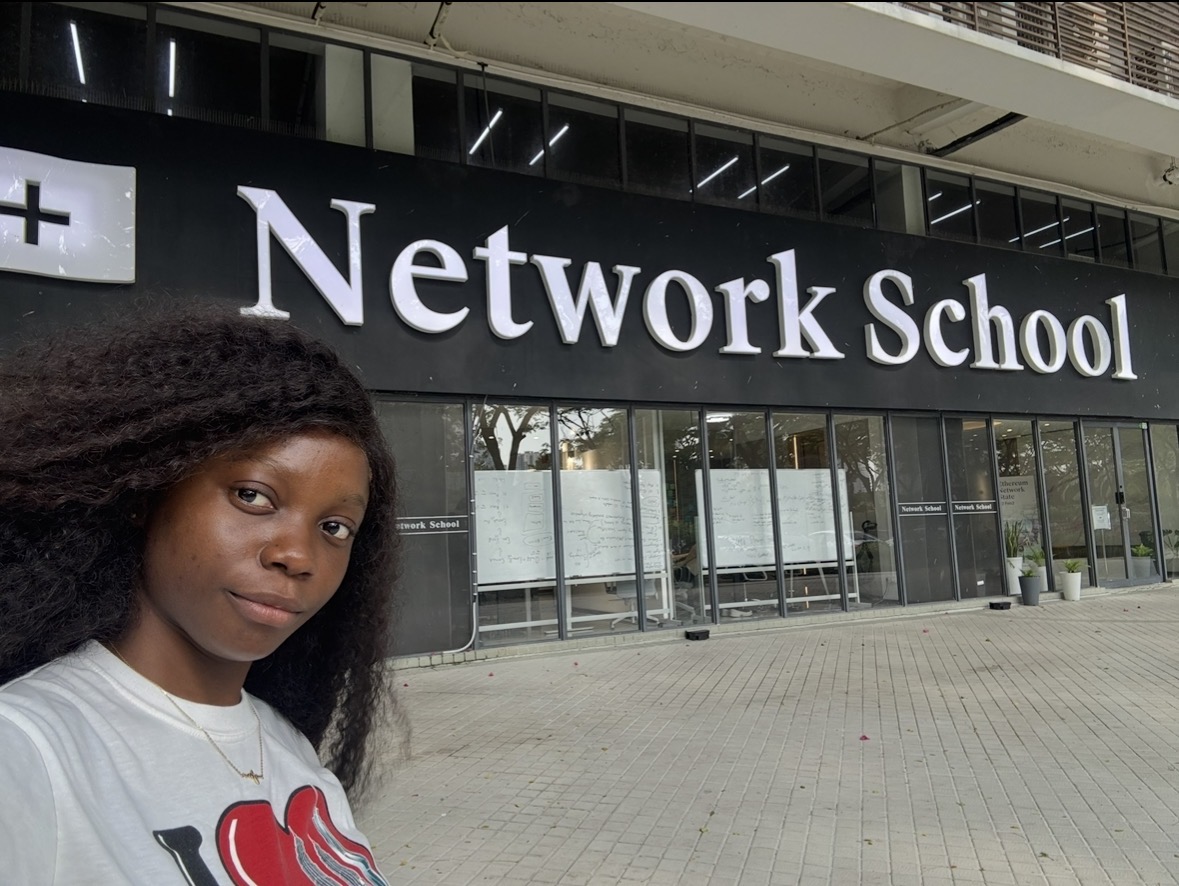
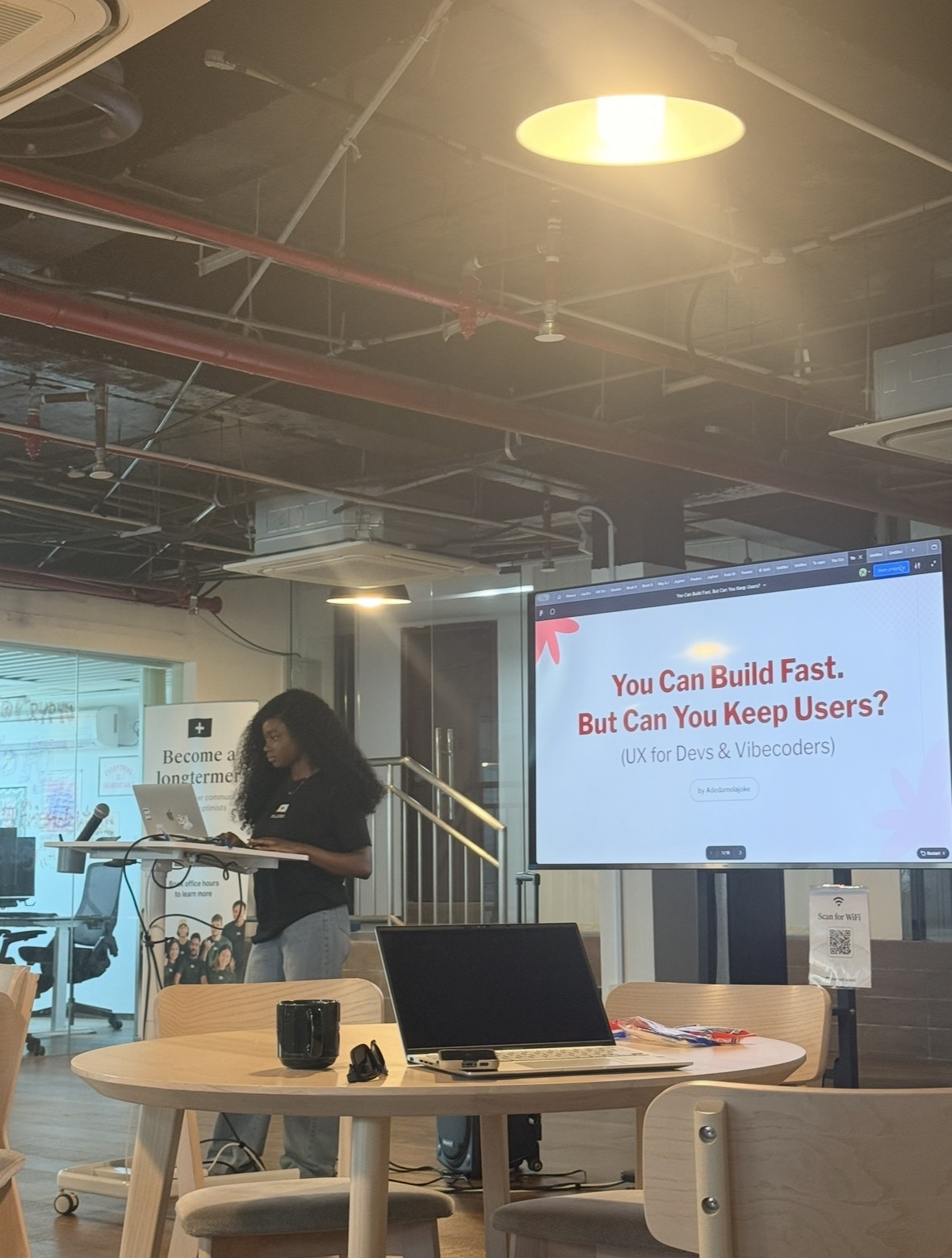
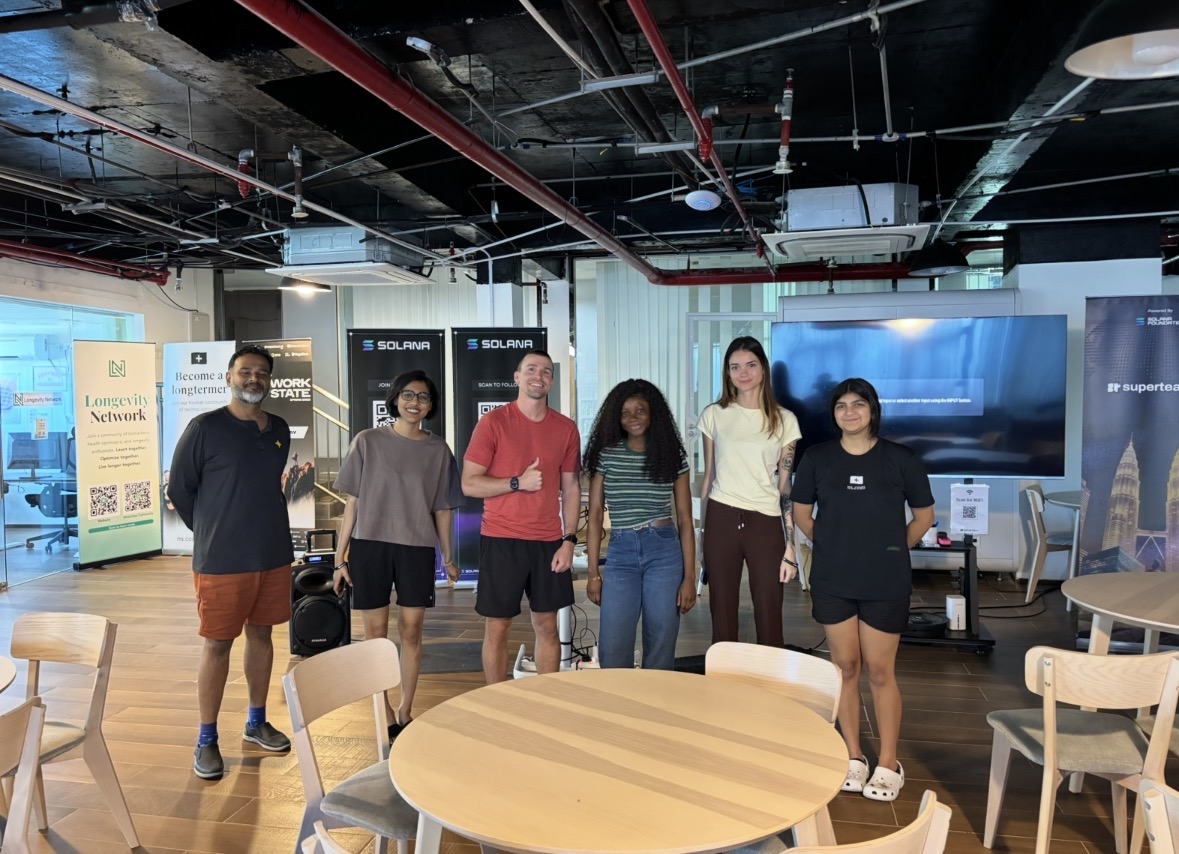
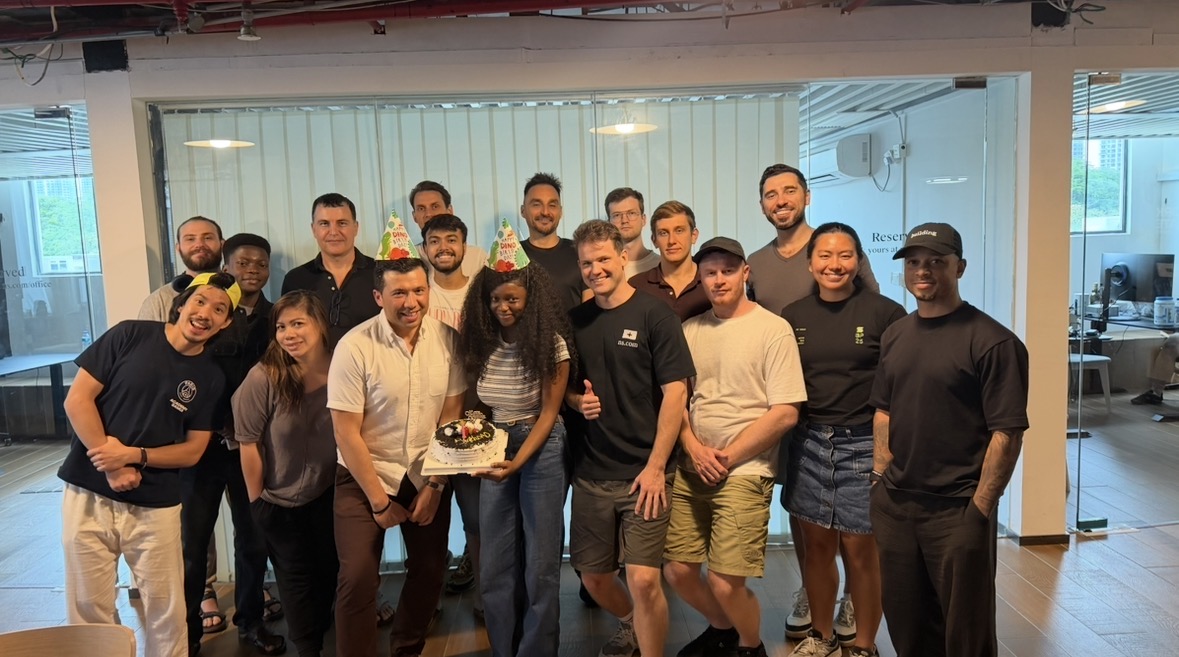
Three months in Malaysia changed more than my work.
I arrived with a portfolio and a lot of ideas I hadn't yet had the nerve to execute. By the end, I'd won a Zcash global hackathon, co-hosted a DAO session with Randall, and given six product and business presentations to rooms full of people who pushed back hard and made every idea sharper.
I found collaborators — a project that started as a conversation in the common area turned into a real working partnership. Along the way, I connected people to opportunities. The kind of doors that don't open unless you're in the room.
But the accounting that matters isn't entirely professional. I made friends from countries I'd never visited. I put myself in rooms I would have hesitated to enter a year ago — and found I had something to say in all of them. I gained 5kg (the good kind). I got a tattoo. I showed up more fully than I had before.
The ideas that used to live only in my head suddenly had a timeline. Bigger ideas, now we execute.
"You don't just learn what to build — you learn how to think about what's worth building at all."
DAO Involvement — governance by doing.
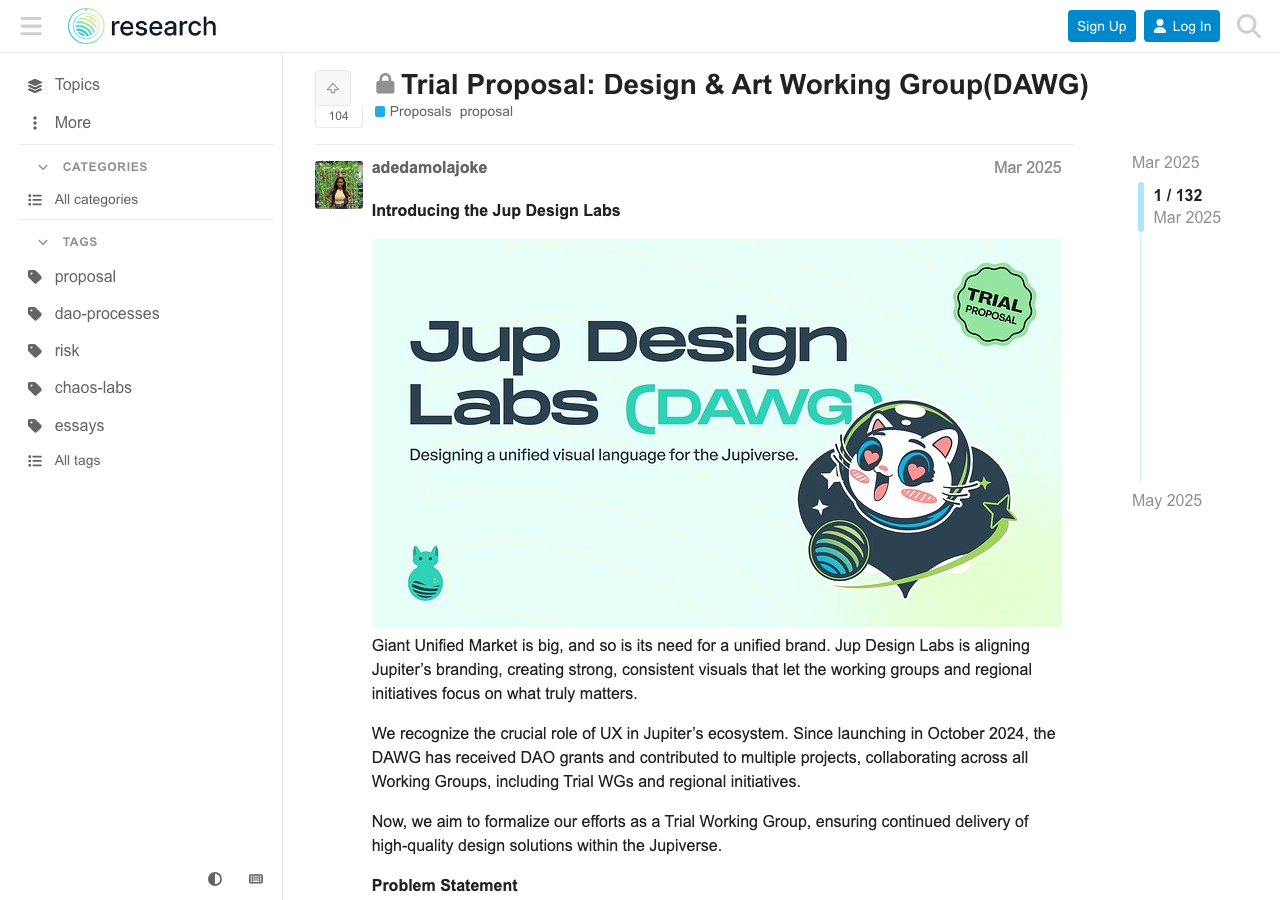
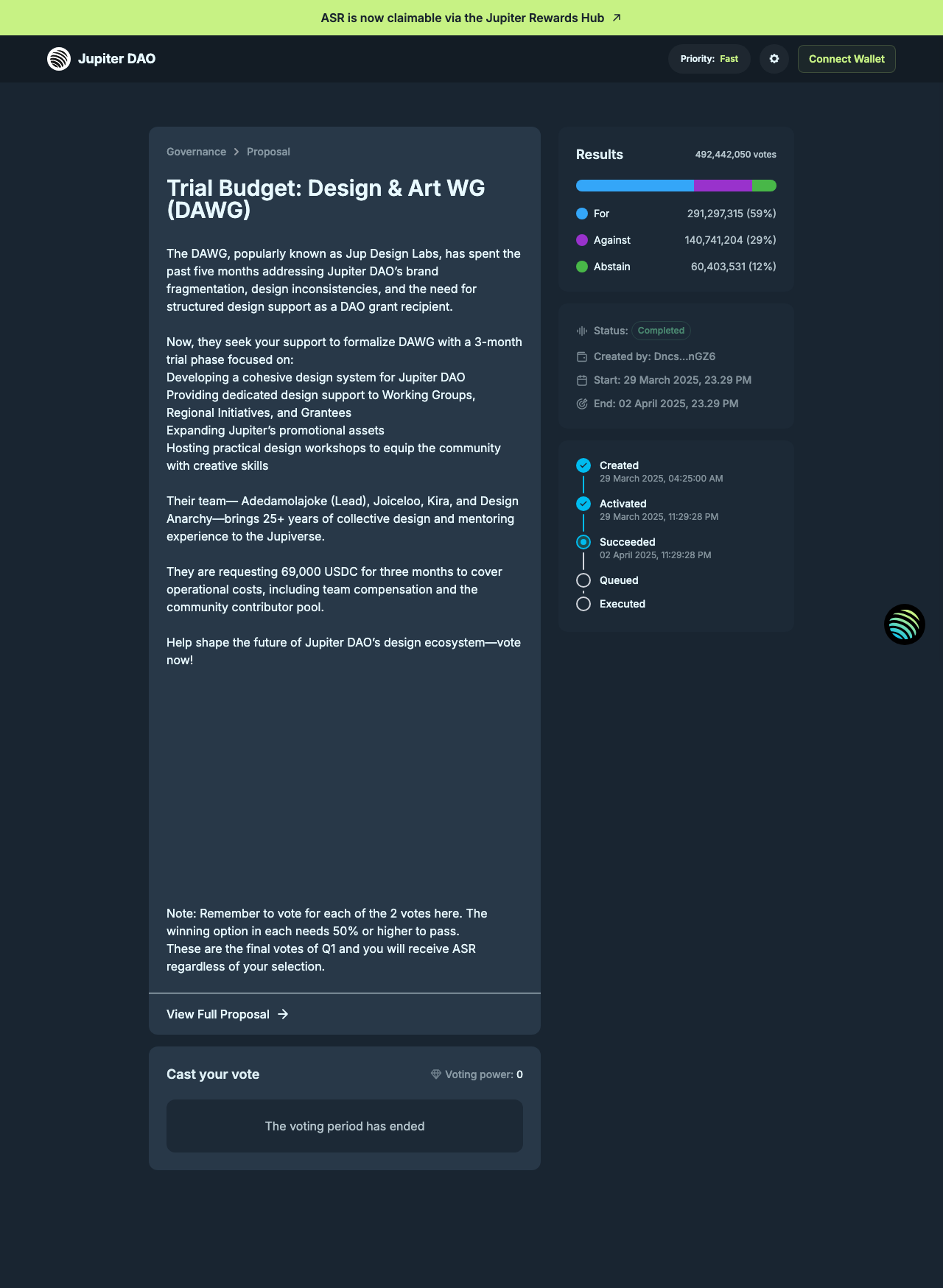
Most people encounter DAOs as a concept. I encountered them as a responsibility. Jupiter Exchange is the largest DEX aggregator on Solana — routing billions in trading volume — and behind that product was no unified design voice. I decided to change that.
I didn't write a proposal first. I started doing the work. Community graphics, event collateral, social visuals, a website redesign for the DAO — output at a quality and consistency that hadn't existed before. I treated it as proof of concept: show the value before asking for the mandate.
The work got noticed. I formalised the concept, took it to a DAO vote, made the case, and won. That became Jup Design Labs — a dedicated design studio operating within Jupiter's ecosystem, funded and sanctioned by the community. Starting as a team of one, I built a team of four designers, established a full brand identity system, social media design system, and owned product UX work including the onboarding experience.
300+ designs shipped. 100,000+ people reached. Three major event identities — Catstanbul in Istanbul, Jupiter Aggregate at Solana Accelerate, Namaste India Hackathon — each one built from scratch, establishing unified identities across different continents and designed to make attendees feel they were part of something significant.
"Amazed by your professionalism. Breath of fresh air."
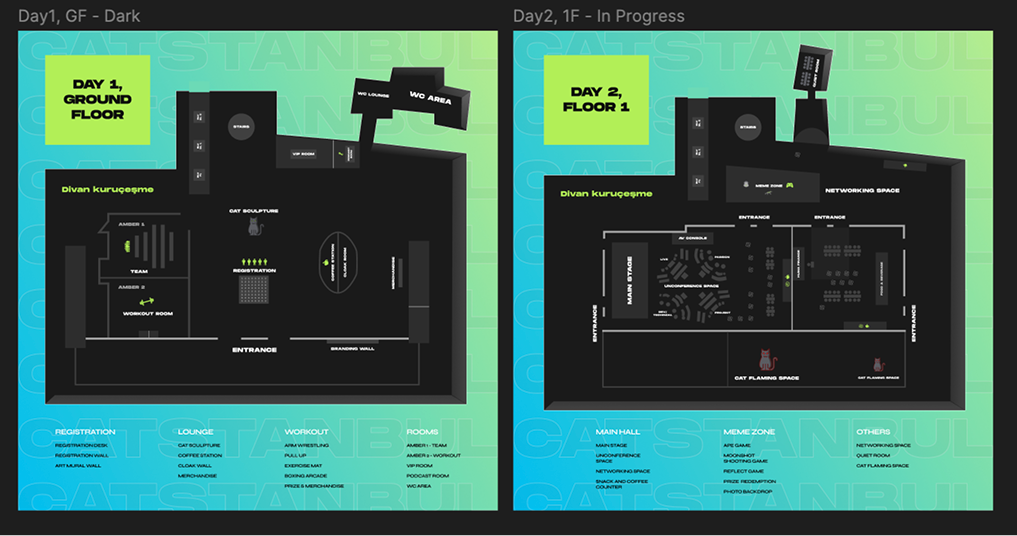
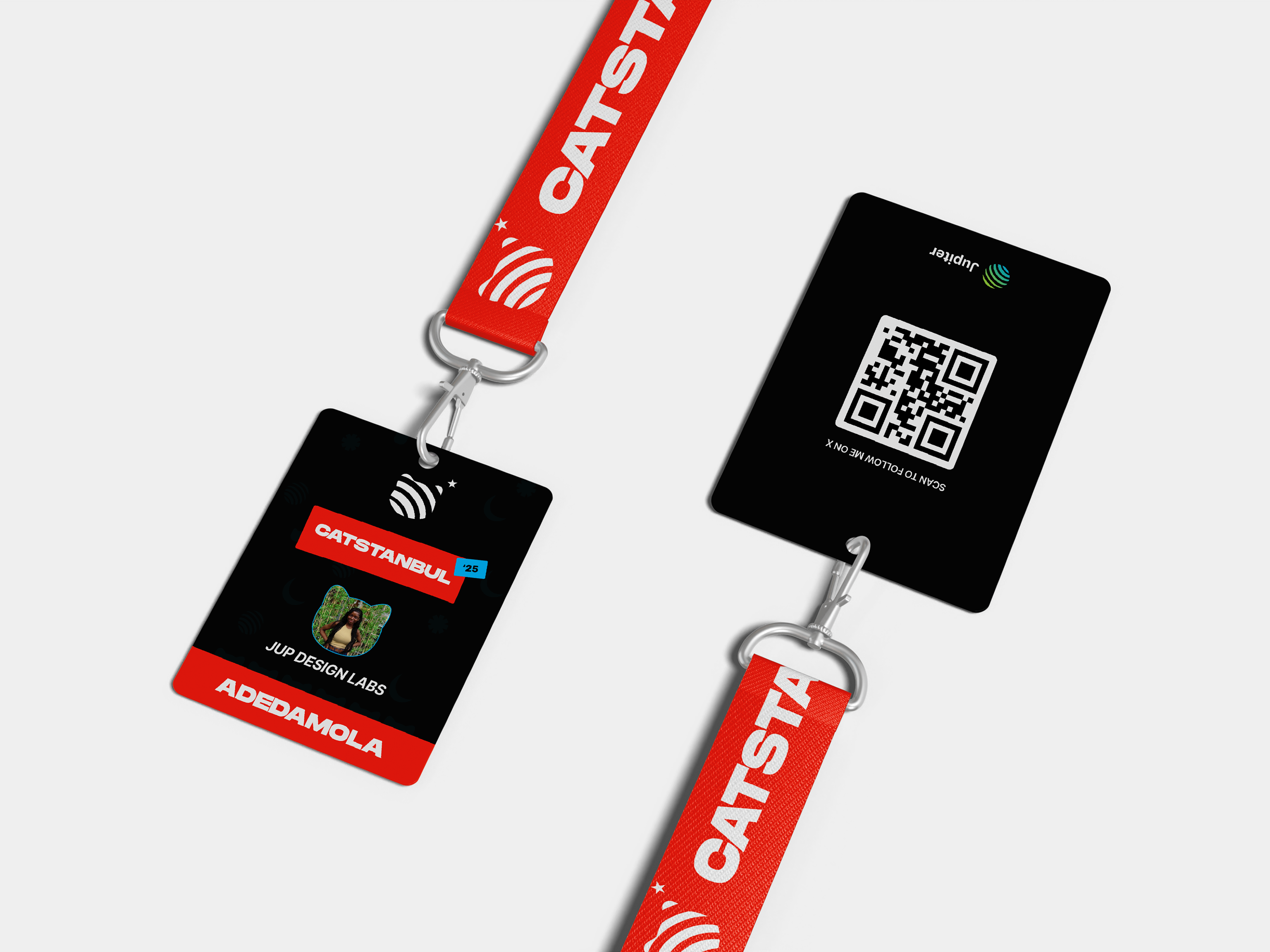
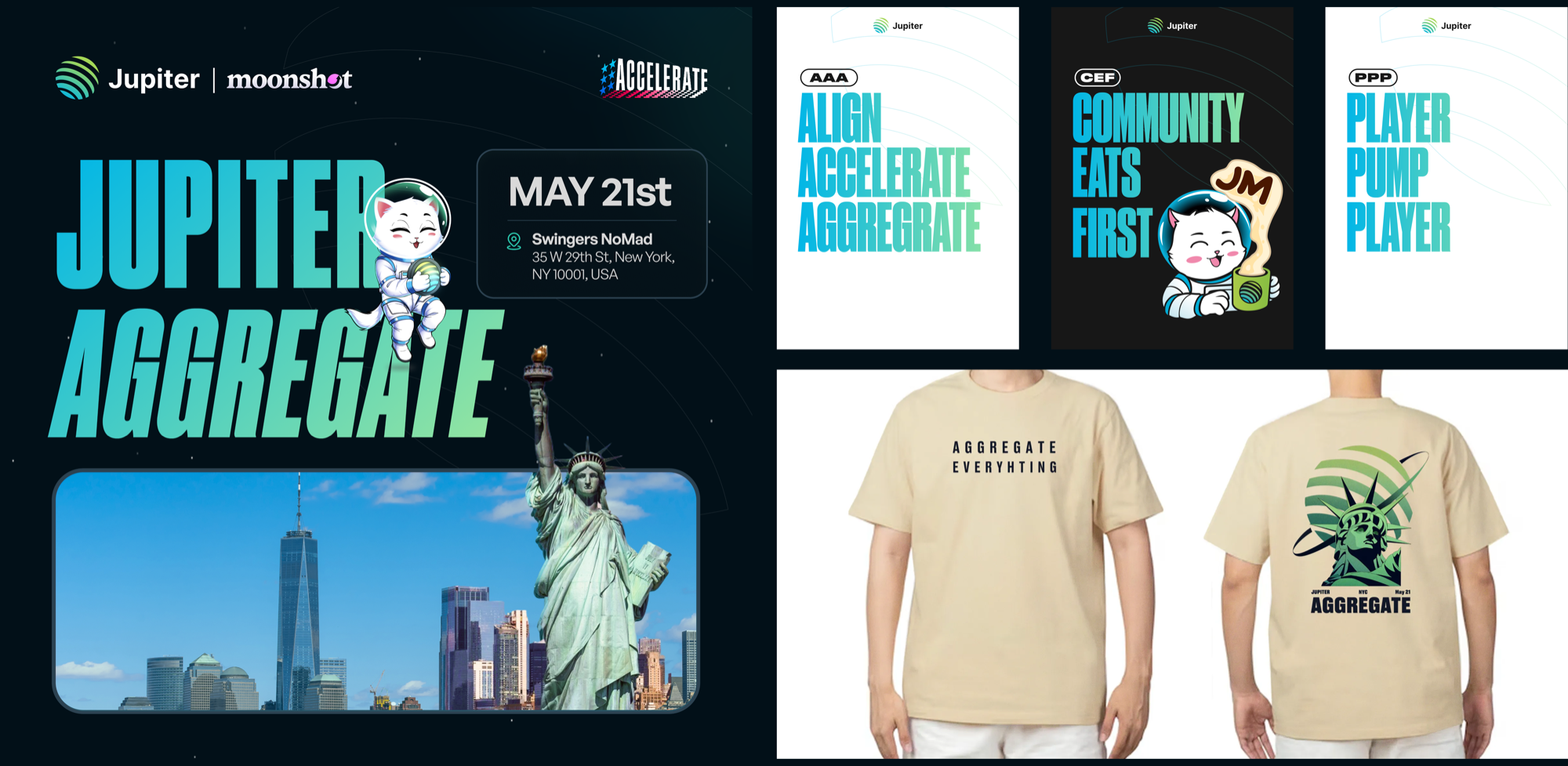
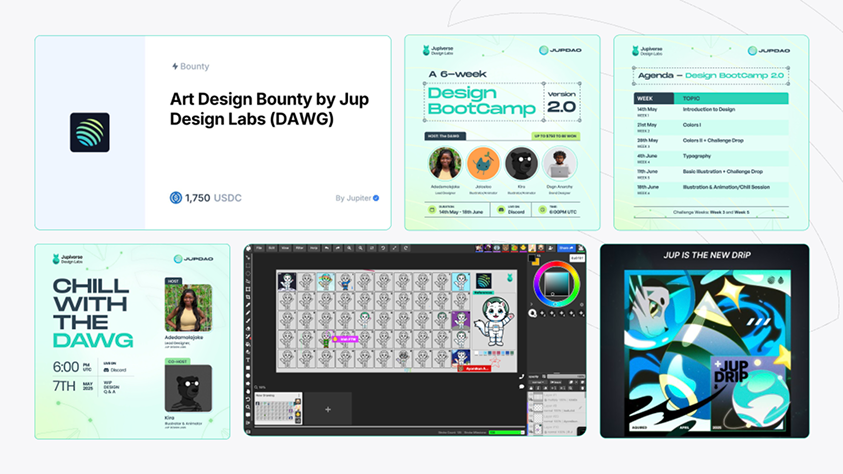
DAO participation sharpened something that's hard to get in a normal product role: skin in the game. When governance decisions affect work you're proud of, you pay attention differently. You read proposals. You think about second-order effects. You care about the quality of the conversation, not just the outcome.
"In a DAO, the proposal is the design. If it can't be understood, it can't be passed."
Superteam Nigeria — building the design community.
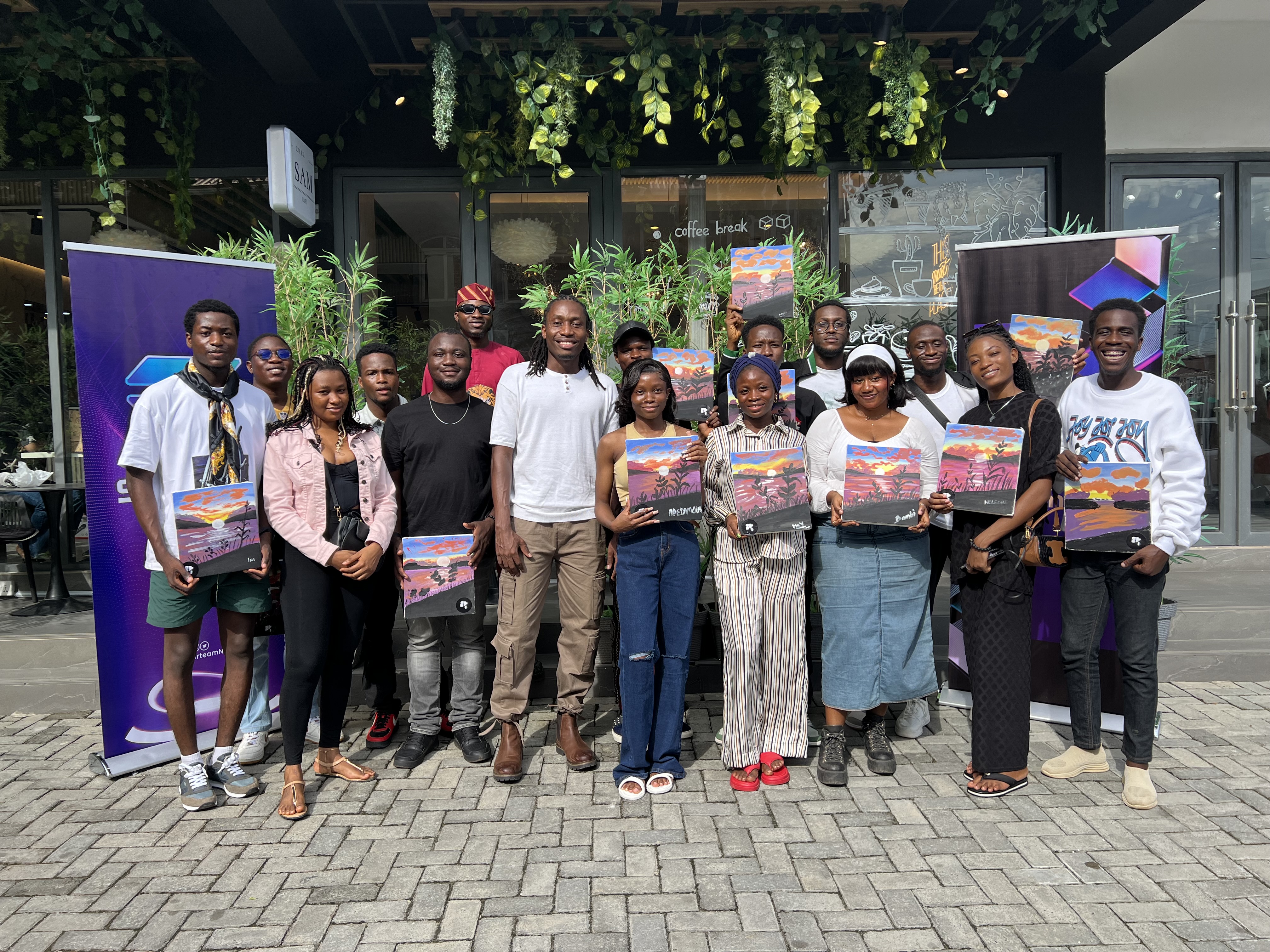
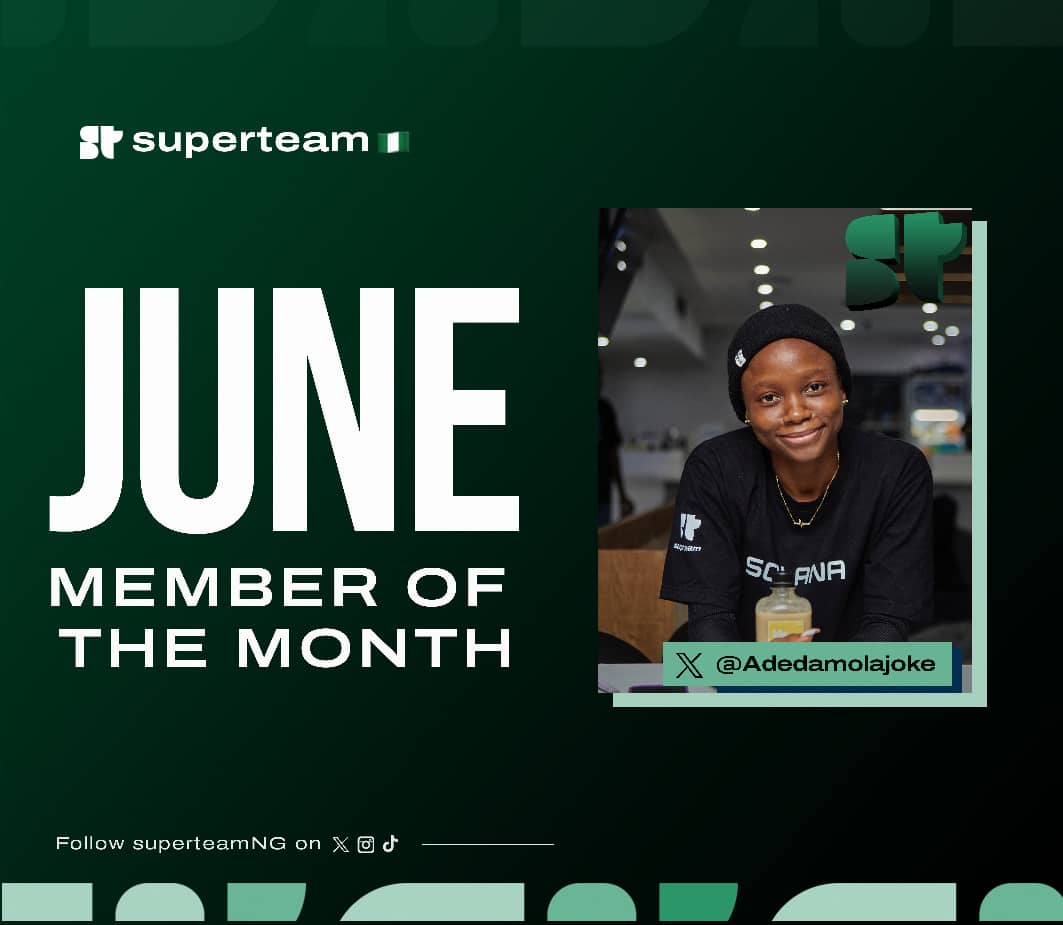
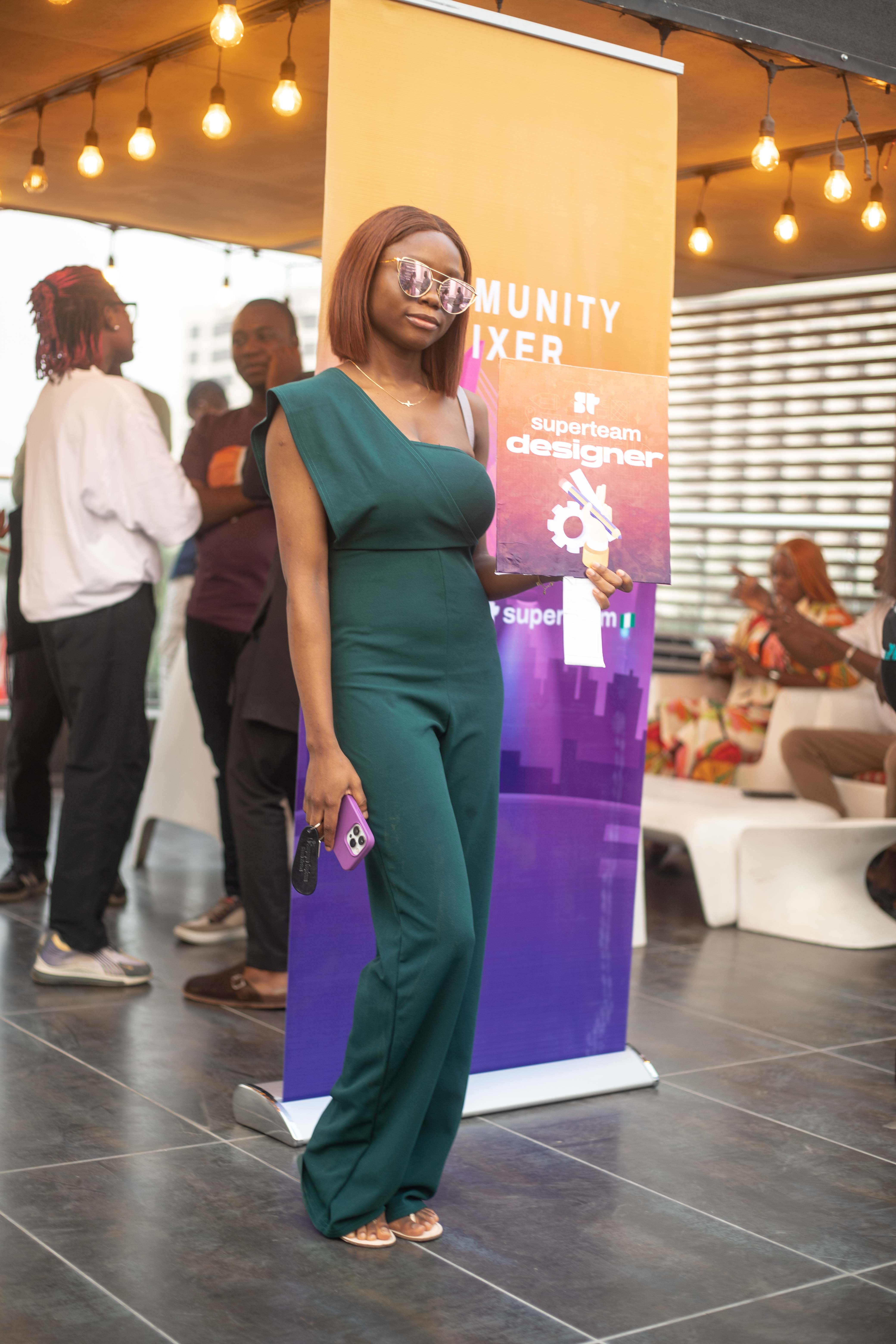
When I joined Superteam Nigeria, there was no design community to speak of. A handful of people, no shared direction, no system. I decided to build one.
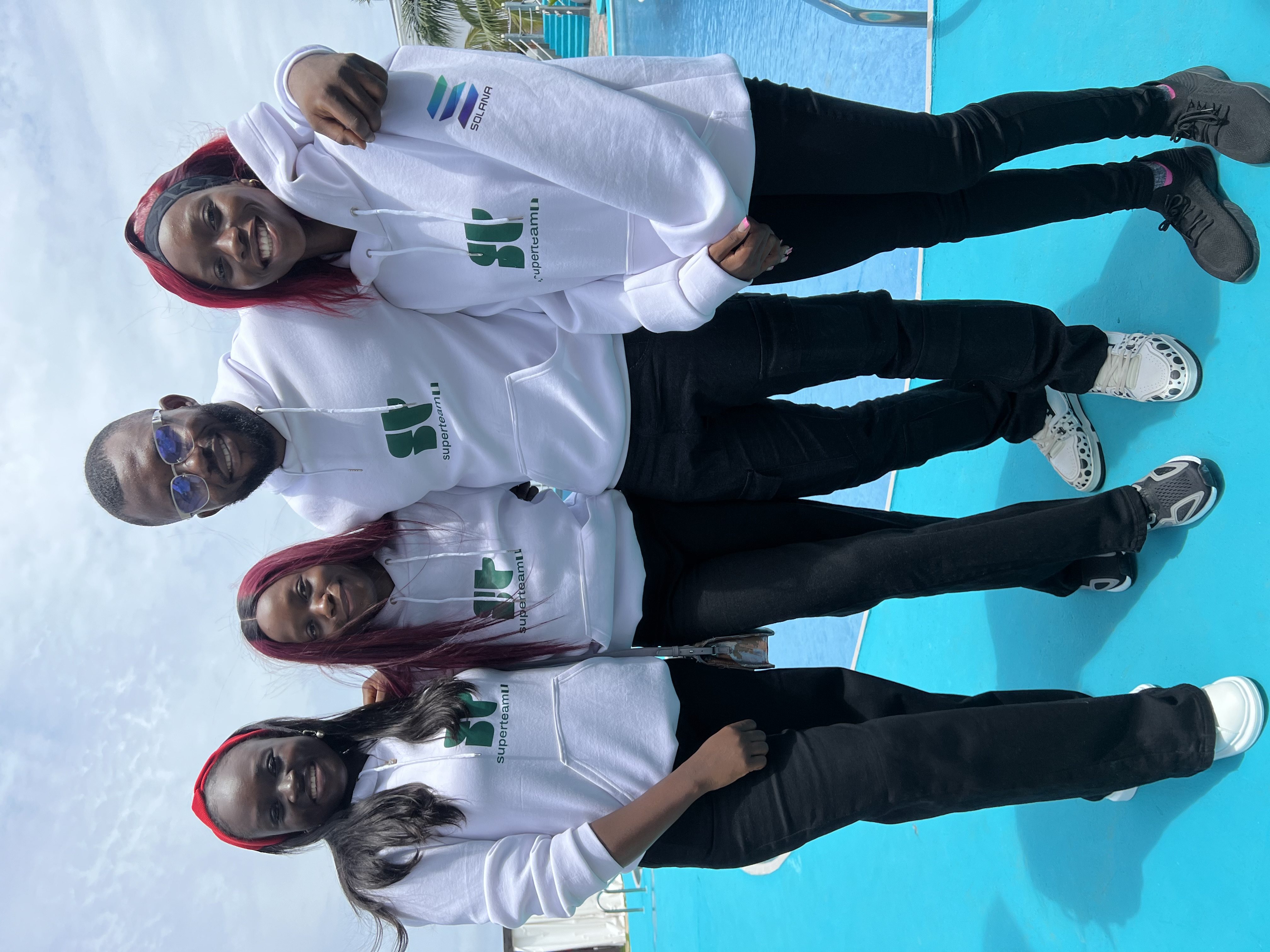
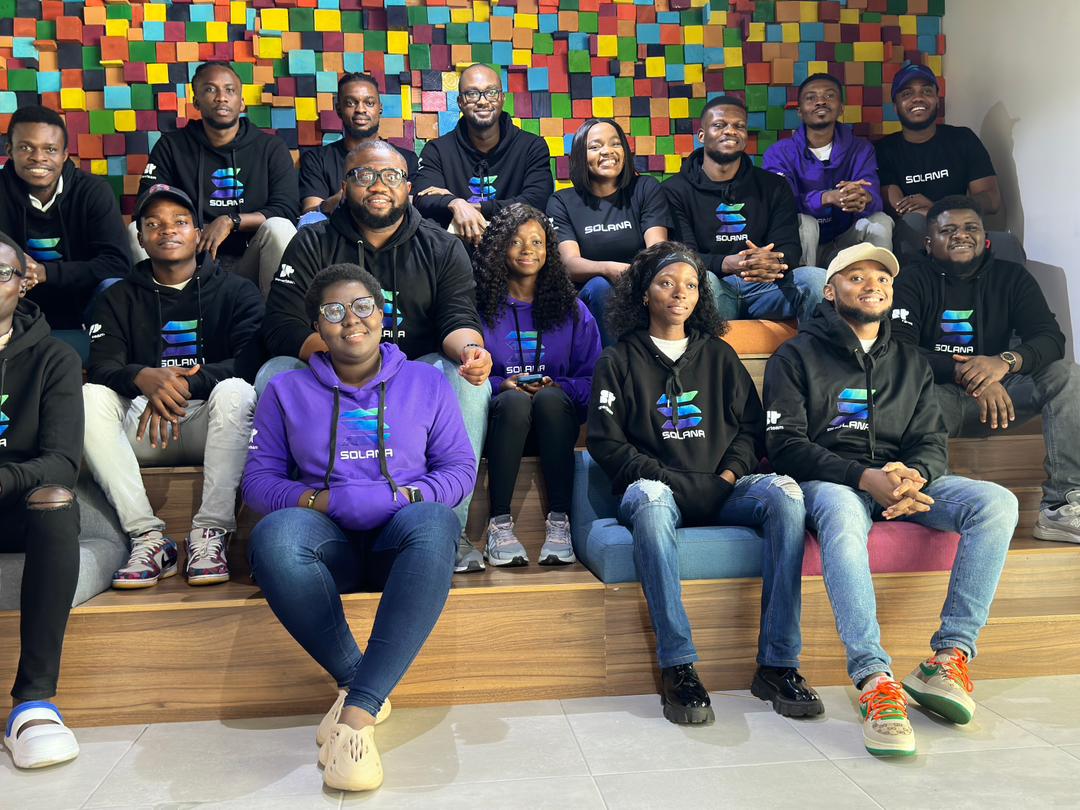
Starting from zero, I grew the design community to over 200 active designers in the Solana ecosystem — establishing structure, running sessions, creating the conditions for designers to find each other, collaborate, and contribute meaningfully to Web3 projects. Not a passive audience count. Active, building, showing up.
Alongside the community work, I developed the brand guide and design system for Superteam Nigeria — giving the chapter a consistent visual identity it could scale with. The same rigour I bring to products, applied to the community infrastructure itself.
Community-building taught me something product work alone doesn't: you can't ship your way to trust. You have to show up consistently, make people feel seen, and build systems that work even when you're not in the room.
Hackathons — building under pressure.
Hackathons are a fast feedback loop. A tight brief, a real constraint, and people who are building because they actually believe in something. I've competed across Web3 ecosystems — Solana, Polygon, Zcash — and found that the process of competing sharpens the instinct to ship. You don't iterate forever. You decide, you build, you ship.
Zcash Global Hackathon — Zalary ↗
Network School · Malaysia · 2026 — Designed and shipped Zalary, a privacy-first payroll platform using Zcash's shielded addresses. Read the announcement on X.
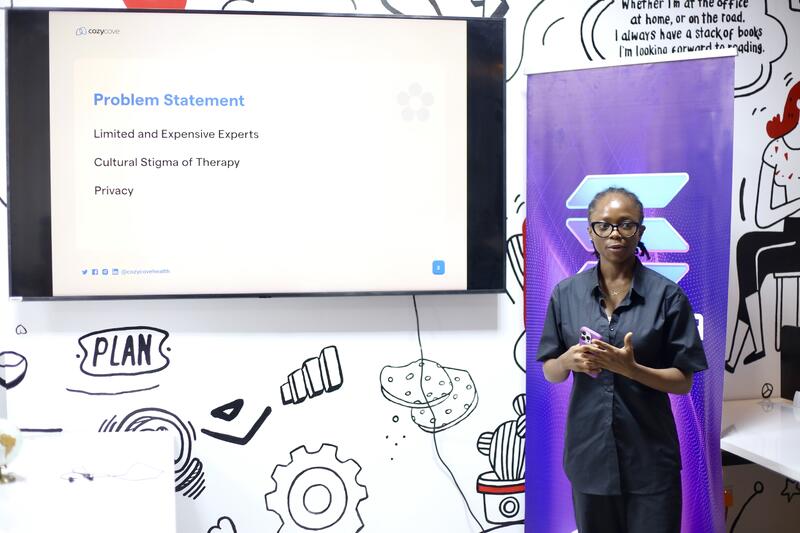
Chainlink × Polygon Hackathon — CozyCove ↗
Remote · 2023 — Designed CozyCove, a blockchain-based mental health platform offering anonymous peer support, licensed therapists, gamified goal-setting and NFT rewards. View the project on Devpost.
Solana Renaissance Hackathon — Blockride ↗
Remote · 2024 — Designed Blockride, a decentralised mobility solution submitted to the Solana Renaissance hackathon. Recognised among the top entries for UX quality and product clarity. See the case study.
Birdeye UI/UX Bounty ↗
Birdeye · Solana Ecosystem · 2024 — Open bounty for redesigning Birdeye's trading interface. Submitted a comprehensive UX breakdown with annotated flows and component rationale. Read the breakdown on X.